Start with the model
Learn the core argument, then use the practical guide to trace any accessibility failure from missed builder-side care to the burdens people carry afterward.
The ENABLE Model is a practical, public ethnography that documents how people intervene or compensate when accessibility breaks down, and how systems can be designed to deliver care instead
Developed from a graduate capstone at Harvard Medical School
Early Neglect Allows Barriers Limiting Equity.
End-users Navigate Asymmetrical Barriers Laboring Excessively.
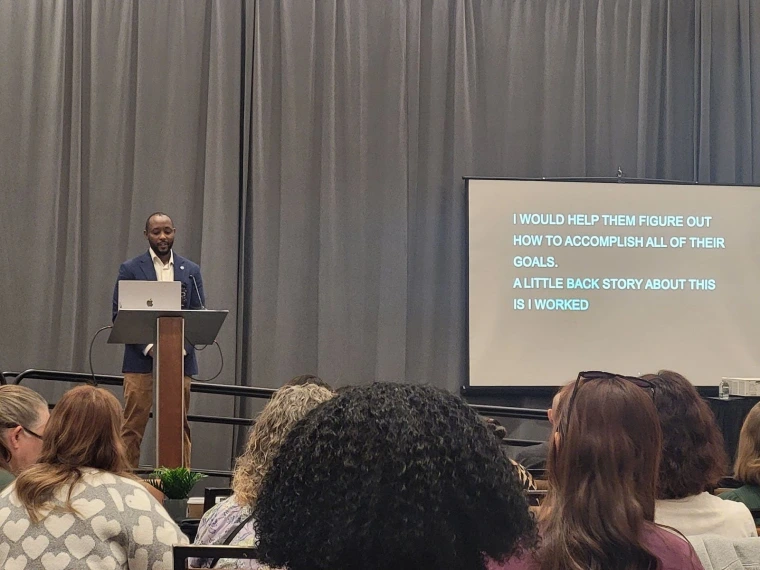
Premiered as a keynote address
The ENABLE Model was introduced at the 26th Annual Evidence for Success Disability Conference, hosted by the University of Arizona's Institute for Human Development.
Use the docs as the canonical reference, the taxonomy pages as the shared vocabulary, and the manifestations as evidence-backed case studies of how accessibility gets built, deferred, compensated for, or withdrawn in the real world.
Learn the core argument, then use the practical guide to trace any accessibility failure from missed builder-side care to the burdens people carry afterward.
The builder-side and navigator-side sections define the ENABLE vocabulary and show where accessibility can be delivered or where burden gets pushed downstream.
Manifestation pages document organizations, tools, institutions, and strategies as public ethnography of accessibility in practice.
The blog explains the theory, stakes, and research logic behind the site, and helps connect the docs to broader debates about disability and access.
If you are arriving from search or an AI assistant, start with The E.N.A.B.L.E. Model for the core definition, then move to How to wield the model for the practical workflow.
Acts of care that builders take to prevent barriers.
Labor disabled people carry when builders fail to act.
Structural conditions that produce and maintain inaccessibility.
Organizations, tools, campaigns, and people documented as public ethnography of how accessibility gets built, deferred, or compensated for.